Commercial Waste Catford

Commercial waste in Catford needs a service that is orderly, practical and suited to the kinds of premises that generate it. We handle business waste removal with a focus on regular collections, one-off clearances and the careful sorting of mixed materials so that offices, shops, workshops and managed buildings can keep on top of waste without disrupting day-to-day work. The aim is straightforward: remove unwanted commercial waste from your premises and direct it into the right handling route with as little fuss as possible.
Our work covers a wide range of business waste streams, from general bagged refuse and office furniture to light refurbishment debris and bulky items that have outgrown storage rooms, back offices or loading areas. Where the waste is suitable for reuse or recycling, we separate it accordingly. Where items need specialist handling, we keep them apart from ordinary refuse. Clearer sorting helps make collections more efficient, and it also supports more responsible disposal across the different materials that businesses produce.
If you are planning a clear-out or looking for ongoing support, use the site pages below to see the main service areas and then request a quotation in the way that suits you best. Simple waste removal enquiries can often be described in just a few details, especially when the material type, approximate volume and access route are known. For more complicated loads, it helps to set out what needs collecting so the service can be matched properly.
Business waste removal for day-to-day operations
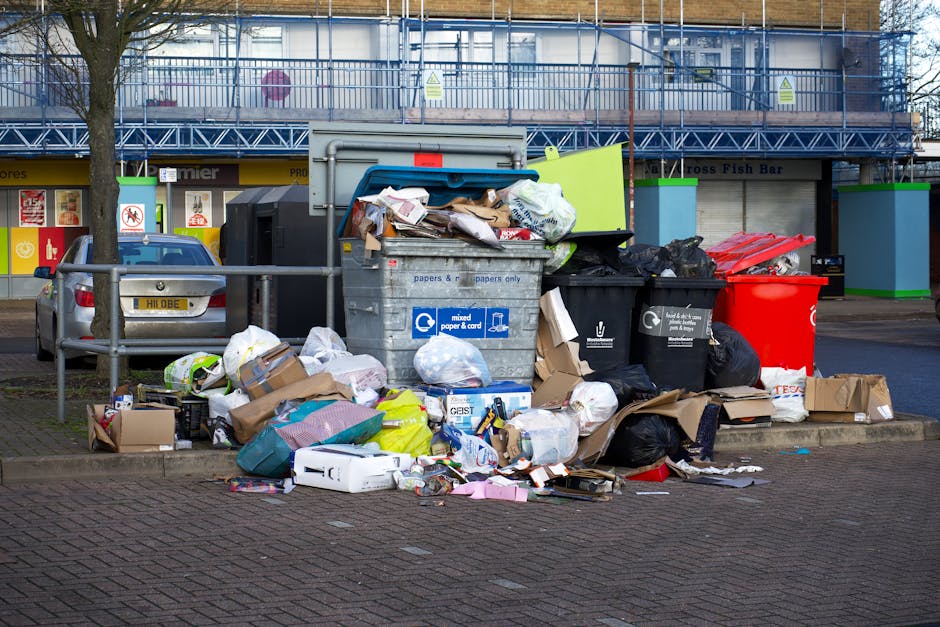
Business waste removal is often most useful when it is built around routine collection habits rather than treated as a one-off task. Shops, offices, clinics, workshops and smaller commercial units all tend to produce a steady flow of mixed rubbish, packaging, broken fixtures, old files and general clutter that can quickly build up if there is no clear plan for getting it away. Our service is designed to keep that waste moving off site and into the proper disposal channels.
For some customers, the most important decision is how to separate ordinary waste from items that may need special handling, such as electrical equipment, appliances, confidential paperwork or heavier materials left behind after a fit-out. The right approach depends on what is being removed and how it is stored. Good waste separation protects the rest of the job from delays, because it reduces the chance of unsuitable items being mixed into a load that should be recycled or processed differently.
Useful choices for commercial collections
When arranging commercial collections, it is helpful to think in terms of access, volume and sorting rather than simply in terms of “a lot of rubbishâ€. A single office tidy-up may include mixed paper, chairs, shelving and boxed items. A back-room clearance may involve awkward bulky objects, while a small trade yard may need palletised waste or broken stock removed from a loading area. Our role is to deal with the collection itself and the separation of waste types that are appropriate for the job.
Office clearances and workplace waste
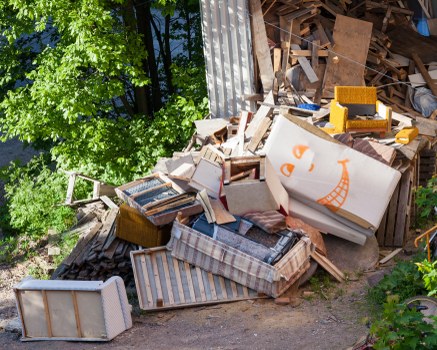
Office clearances can include far more than desks and chairs. They may involve filing cabinets, storage units, monitors, printers, boxed stationery, reception furniture and general accumulated waste from shared work areas. We provide office clearance support that is intended to clear those items in a controlled way, so the workspace can be returned to normal use without unnecessary handling of unrelated material. This is especially useful when offices are being rearranged, downsized or refreshed.
Workplace waste often includes items that need a little more care than ordinary rubbish, such as cables, small electrical equipment and records that should not be left mixed into general waste. A sensible clearance therefore starts with identifying which items are reusable, which can be recycled and which need disposal as standard commercial waste. That separation matters because it shapes how the load is handled and what preparation is most appropriate before collection begins.
When you request a quotation, it helps to mention whether the office space is active or empty, whether there are stairs or narrow corridors, and whether items are concentrated in one room or spread across several floors. These details influence how the work is planned and the time required on site. If your business is short on storage or trying to restore order quickly, a well-specified office waste removal request is usually the best starting point.
Furniture disposal and bulky items
Furniture disposal is a common part of commercial waste work because businesses regularly replace seating, desks, cabinets, tables and reception pieces before they wear out completely. Bulky items can be awkward to move through normal premises, especially when they are stacked in storerooms or grouped near workstations. Our service helps remove these items from business settings in a way that keeps the process organised and reduces the disruption that can come with handling them internally.
The main decision with furniture disposal is whether an item can be reused, dismantled for easier movement or removed as a whole. Some pieces are straightforward, while others may have to be broken down to fit through a route safely. If a job includes mixed waste as well as large furniture, the collection can be planned so that the bulky pieces are identified first and the remaining items are gathered alongside them. That order often makes the work simpler on the day.
We also deal with disposal where furniture has been left behind after a tenancy change, office reconfiguration or internal relocation. In those situations, the most important thing is often to get the area cleared in a tidy sequence so the remaining room can be cleaned, inspected or prepared for its next use. If you are unsure how much needs removing, a brief written list is usually enough to begin shaping the quotation.
What can be removed from commercial premises

Commercial waste can be varied, and it is often easier to understand the service by thinking about the main categories rather than a long single list. We regularly deal with general rubbish, office contents, unwanted furniture, mixed recyclable material and some items that need a separate route because they should not simply go into general waste. The key point is that the waste should be described accurately enough for the service to be matched to it.
- office furniture, shelving and reception items
- bagged commercial rubbish and packaging
- mixed contents from storerooms and back offices
- light clearance waste from business premises
- some electrical and appliance items where suitable
- selected bulky items that need dismantling or careful moving
This list is not exhaustive, but it does show the kind of work that commercial waste removal is built around. If your business produces items outside these groups, it may still be possible to arrange collection, provided the load is described clearly. The most reliable quotations usually come from knowing what the waste is, how much there is and whether it is ready at ground level, upstairs or in a restricted part of the building.
Pricing, access and preparation
Commercial waste pricing normally depends on the type of material, the amount to be removed, the ease of access and whether any items require extra handling before loading. A compact load of office waste is likely to be treated differently from a mixed clearance that includes furniture, loose rubbish and heavier objects. The reason for this is simple: different waste streams take different levels of labour, sorting and disposal planning, and those factors affect the quotation.
Preparation does not need to be complicated. A brief inventory, a note about whether items are boxed or loose, and a clear description of access can save a great deal of back-and-forth. If the waste is spread across multiple rooms, say so. If it is already gathered in one place, say that too. Accurate information helps produce a cleaner quotation, because it reduces assumptions about volume and movement time. If there are restrictions such as stairs, limited parking or loading constraints, those should be included from the start.
For businesses wanting to compare options, our pricing and quotes page gives a useful next step, while the booking page can help if you already know what needs collecting. Please take a moment to outline the waste type and quantity, then ask for a quotation that reflects the actual job rather than a rough guess. A clear description is the best route to a sensible response.
Recycling and responsible handling
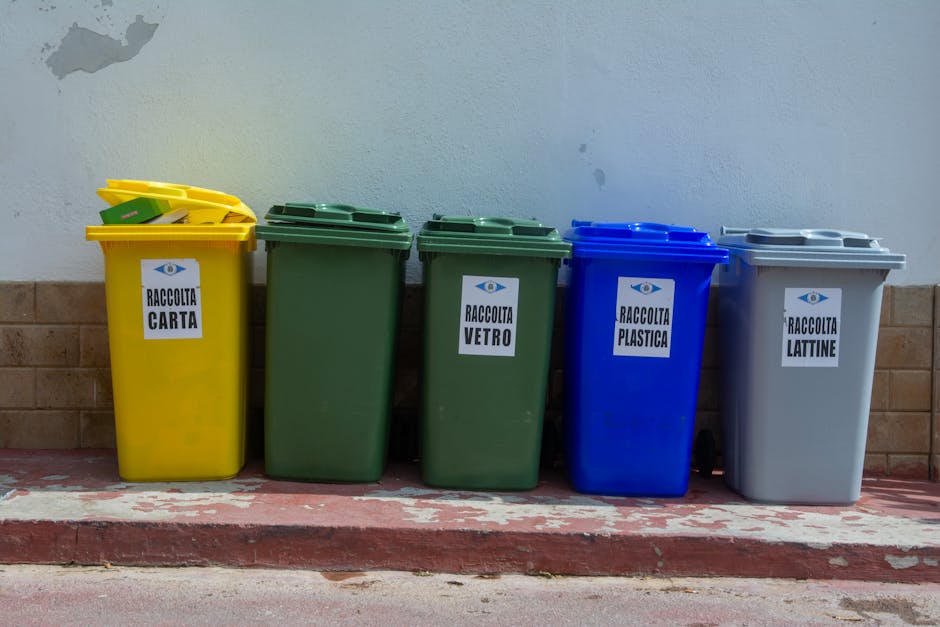
Commercial waste should not be treated as a single undivided stream when it contains materials that can be separated. Cardboard, paper, metal, reusable furniture and certain appliances may have different handling routes from ordinary refuse. We aim to sort suitable material so that recyclable and non-recyclable items are not mixed unnecessarily. That approach helps keep the service practical and aligns the removal process with the type of waste being collected.
Some businesses generate waste that changes from week to week. A stockroom tidy-up may include mostly cardboard and packaging, while an office move can produce a mix of furniture, paperwork and electrical items. The point of a flexible commercial waste service is to adjust to those differences without forcing every job into the same pattern. Waste handling works best when the load is assessed by material, not just by size, because the material itself affects how it is processed afterwards.
Where appropriate, we also take care with item separation during the collection stage so that potentially reusable or recyclable goods are not lost in a mixed pile. That does not change the character of the job into a recycling service, but it does mean the clearance is handled with more care than a simple grab-and-go collection. If sustainability is a consideration for your business, it is worth mentioning when you enquire.
About Catford
Catford is a district in the London Borough of Lewisham in south-east London, long associated with a busy urban crossroads around Catford Broadway and a wider mix of housing, retail and civic buildings. The name is historically old, and the area developed from earlier rural settlement into a suburban and commercial place as rail and road connections improved across the nineteenth and twentieth centuries. Catford’s identity is shaped partly by its position between other parts of south London, yet it retains a recognisable centre with prominent public buildings and a strong local street pattern. The Broadway Theatre is one of the better-known landmarks, while the nearby Catford and Catford Bridge railway stations link the district to central London and Kent. The area also sits close to stretches of open space and river corridors, with Ladywell Fields and Mountsfield Park among the green spaces used by residents and visitors. Architecture in Catford is varied rather than uniform: there are late Victorian and Edwardian terraces, interwar estates, post-war commercial frontages and newer infill development. The local streets reflect that layered growth, with everyday shops, community facilities and transport routes sitting alongside civic landmarks and residential roads. Catford’s character comes from this mixture of movement, local trade and neighbourhood life, making it a distinctly urban part of Lewisham with its own visual rhythm and history.
Garage, loft and storage clearances

Garage and loft clearances can be useful for commercial premises as well as homes, especially where businesses use upper rooms or outbuildings for stored stock, archived items or old equipment. These spaces often contain a mixed collection of objects rather than one neat category of waste. A good clearance service therefore needs to be comfortable with boxes, loose items, obsolete tools, broken fixtures and other material that has been left out of the way for later sorting.
The biggest practical issue in storage clearances is usually access. Loft hatches, narrow stairways, low ceilings and cramped garages can all affect how items are removed. If the space is cluttered, the order of work becomes important: lighter items may need to be moved first so that heavier objects can be reached safely. Careful sequencing matters more than speed when the load is awkward or stacked in layers, because it reduces the chance of damage and makes the overall job more controlled.
Some businesses use these areas to keep surplus furniture, display materials or archive boxes that are no longer needed. Others simply need a forgotten space cleared so it can be used properly again. Whatever the reason, the main task is the same: remove the unwanted contents in a methodical way and leave the space ready for its next use. If you already know which items are staying and which are going, that note can make the quotation process easier.
Special items and different waste types
Not every commercial clearance consists of standard office rubbish. Some jobs include appliance items, upholstered furniture, mixed refurbishment waste or material that needs extra care because of its shape or composition. When this happens, it is important to separate the item types rather than describing the whole load as simply “general wasteâ€. That distinction helps ensure the removal is matched to the proper handling method.
We also deal with selected specialist categories where they are suitable for collection through the relevant service route, including certain electrical items and heavier household-style pieces that appear in business settings. If a load includes anything unusual, it is better to mention it early. Clear item descriptions prevent avoidable delays and make it easier to decide whether the waste should be grouped together, split apart or handled in more than one stage.
For customers with mixed premises, such as offices with storage rooms or retail units with back-of-house waste, it often makes sense to view the clearance as a series of smaller decisions rather than one large one. Which items should be removed first? Which ones can remain in place? Which objects will need dismantling or checking before removal? Those practical questions shape the job more accurately than a generic waste description does.
Requesting a quotation for your waste removal
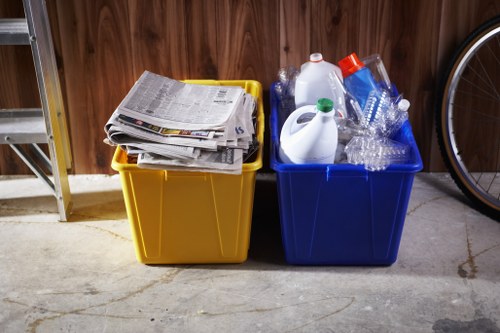
When you request a quotation for commercial waste removal in Catford, the most helpful information is usually the simplest: what needs removing, roughly how much there is and how easy it is to reach. A short description is often enough if the waste is straightforward, but mixed or bulky jobs benefit from a little more detail. If you are comparing several clearance options, use the pricing and quotes page to start the conversation with a clear outline of the work.
For larger or more varied loads, a few practical notes can make the response more accurate. Tell us whether the waste is in one room or several, whether items are loose or bagged, and whether there are any access limits such as stairs, security checks or narrow entrances. That information helps shape the quotation around the real task rather than a broad estimate. If you already know the service you need, you can also use the book online page to move forward.
To get started, send a brief description of the waste, the location within the premises and the timing that suits your operation. If the collection involves mixed business waste, office contents or bulky furniture, mention those details together. We make it easier to turn a rough requirement into a usable quotation, and the final step is simply to ask for the next available response. Request your quotation today.