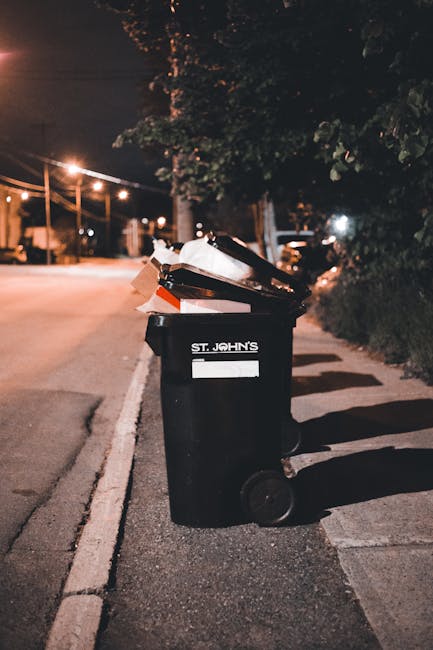
Lewisham Council rules for rubbish disposal in Catford explained
If you live, work, or manage a property in Catford, rubbish disposal can feel simple right up until it isn't. One missed collection day, one bag left beside the bin, or one bulky item dumped the wrong way, and suddenly you are dealing with complaints, fly-tipping risk, or a frustrating clean-up you did not plan for. This guide breaks down Lewisham Council rules for rubbish disposal in Catford explained in clear, everyday language, so you can sort waste properly, avoid common mistakes, and choose the right disposal route for the job.
Whether you are clearing a flat, dealing with garden waste after a weekend tidy-up, or removing old furniture from a house move, the basics matter. And to be fair, most people do want to do the right thing. They just need the rules translated into something practical. That is what this article does.
Quick summary: Put waste out in the right containers, separate recyclables where required, keep hazardous and bulky items out of normal household rubbish, and use the proper route for items that do not belong in standard collections. If you are handling a larger clearance, plan it before the bags start piling up by the door.
Table of Contents
- Why Lewisham Council rules for rubbish disposal in Catford explained matters
- How Lewisham Council rules for rubbish disposal in Catford explained works
- Key benefits and practical advantages
- Who this is for and when it makes sense
- Step-by-step guidance
- Expert tips for better results
- Common mistakes to avoid
- Tools, resources and recommendations
- Law, compliance, standards, or best practice
- Options, methods, or comparison table
- Case study or real-world example
- Practical checklist
- Conclusion
- Frequently asked questions
Why Lewisham Council rules for rubbish disposal in Catford explained Matters
Waste rules are not just admin in the background. They shape how clean the street stays, whether recycling actually gets recycled, and how safe it is for refuse crews to collect your waste. In Catford, that matters especially because most homes and small businesses are dealing with limited outside space, shared bin stores, tight pavements, and busy collection routes. A wrong move can quickly become a bigger problem than the original rubbish.
The most obvious reason these rules matter is enforcement. Put out waste incorrectly and it may not be collected. Leave rubbish on the street, and it may be treated as fly-tipping or obstruction. That creates more than inconvenience; it can lead to mess, complaints from neighbours, and in some cases avoidable costs. Nobody wants a front garden that looks like a small skip has exploded outside it. Not ideal at all.
There is also a practical side. Good disposal habits save time. If you separate recycling, flatten cardboard, handle food waste properly, and keep blocked or hazardous items out of regular bins, collections tend to go more smoothly. In real life, that means fewer missed pickups, fewer last-minute panics, and fewer bags waiting awkwardly by the fence for days on end.
For landlords, letting agents, shop owners, and anyone clearing a property between tenancies, the rules are even more important. A good disposal system helps you hand over a cleaner space, avoid complaints, and present the property properly. If you need a broader clearance service for a flat, office, or house, it can also help to look at flat clearance, house clearance, or office clearance as part of a larger plan.
How Lewisham Council rules for rubbish disposal in Catford explained Works
At a basic level, the system works by separating waste streams and using the correct container or collection method for each type. Normal household rubbish goes one way. Recycling goes another. Garden waste, bulky items, electricals, and hazardous materials all have their own expectations. That is the general idea, even if the details depend on the item and the property setup.
In Catford, many households rely on standard kerbside collections, communal bins, or shared storage areas. That means you need to think about volume as well as type. A single black sack is one thing; three sofa cushions, broken shelving, and a half-dismantled wardrobe are another. Once the waste stops fitting your usual collection method, you need a different route.
Here is the simplest way to think about it:
- General rubbish should be bagged and presented in the normal household refuse setup.
- Recycling should be kept clean and uncontaminated so it can be processed properly.
- Bulky items usually need a separate collection, reuse route, or specialist removal.
- Hazardous waste should never be mixed into normal rubbish.
- Commercial waste needs a proper business disposal arrangement.
That last point catches people out more often than you would think. A home office might feel domestic, but once you are dealing with substantial paper waste, packaging, or old equipment from a business, you need to be careful about how it is handled. For confidential papers, there is a useful fit with confidential shredding. For business premises, business waste removal is the better route than trying to squeeze everything into household bins.
There is also the question of equipment and special items. Fridges, freezers, microwaves, washing machines, and similar goods can be awkward because they are bulky and may contain components that should not go in standard rubbish. For those, a dedicated route such as fridge and appliance removal usually makes far more sense. The same applies to mattresses and sofas, which are large, awkward, and often a pain to move down narrow Catford stairwells. In those cases, mattress and sofa disposal is a far cleaner solution.
Key Benefits and Practical Advantages
Once you understand the rules, disposal gets easier almost immediately. The biggest advantage is compliance, but there are several other benefits that are easy to overlook until you need them.
- Fewer missed collections: waste in the right format is more likely to be collected without drama.
- Cleaner streets and entrances: this matters in Catford, where space can be tight and bins can spill over quickly.
- Lower contamination risk: recyclable materials stay recyclable when they are not mixed with food, nappies, or general waste.
- Better safety: broken glass, sharp metal, and chemicals do not belong in a casually tied bin bag.
- Less stress during clear-outs: moving house or changing tenants is enough work already.
There is another benefit that gets less attention: it helps you think more clearly about what should be reused, repaired, donated, or recycled before it becomes "rubbish". That shift saves space and often saves money. A good example is furniture. Some pieces can be cleared, refurbished, or passed on, while others are simply beyond it. If you are comparing those options, have a look at furniture clearance and furniture disposal. They solve slightly different problems, and that distinction matters.
For bigger home projects, the same applies to rooms that slowly collect everything life throws at them. Lofts, garages, and spare rooms become little storage ecosystems. Then one day you open the door and think, how did all this get here? For those situations, loft clearance, garage clearance, and home clearance can be a practical way to deal with the lot in one go.
Who This Is For and When It Makes Sense
This guidance is for just about anyone in Catford who produces waste and wants to dispose of it properly. That includes homeowners, tenants, landlords, letting agents, shop owners, office managers, tradespeople, and people clearing a property after a move, renovation, or bereavement.
It especially makes sense if you are in one of these situations:
- You have more rubbish than the usual bin collection can reasonably handle.
- You are dealing with bulky waste or awkward items.
- You share bins and need to avoid upsetting neighbours.
- You are sorting waste from a renovation, repair, or decorating job.
- You manage a business and need a reliable disposal routine.
- You are trying to keep a property presentable for sale or let.
For trades and refurb jobs, the rules can become messy quite quickly. Plasterboard, timber offcuts, packaging, tiles, and general builders' spoil all need a bit of thought. If you are handling that sort of load, a dedicated route such as builders waste clearance may be more suitable than trying to improvise with ordinary bins or bags. And if you are weighing up skip use versus other methods, the page on what can go in a skip is useful because it helps you understand what is typically acceptable and what is not.
For garden jobs, the same logic applies. Grass cuttings, branches, soil, and old pots do not behave like household rubbish. They can pile up fast after a Sunday clear-up, especially if the weather has been kind and you have gone a bit further than intended. For that, garden clearance is often more practical than overloading standard waste streams.
Step-by-Step Guidance
If you want to stay on the right side of the rules and keep things simple, follow this process.
- Sort the waste by type. Separate general rubbish, recycling, food waste, garden waste, bulky items, electricals, and hazardous materials.
- Check what can stay in normal collection. Small household waste, bagged properly, usually stays in standard bins. Anything larger or unusual needs closer attention.
- Keep contaminated recycling out of recycling containers. Dirty cardboard, greasy takeaway boxes, and mixed waste can spoil the whole load.
- Set aside bulky items. Sofas, mattresses, fridges, broken furniture, and large appliances should not be left out as if they are just extra bin bags.
- Identify anything hazardous. Paint, solvents, oils, batteries, chemicals, and similar waste need a specialist route.
- Decide whether the job is household, business, or trade waste. This changes the rules and the disposal method.
- Choose the collection method. That may be council collection, skip use, or a dedicated removal service.
- Set a tidy presentation point. Waste should be easy to access, secure, and not blocking paths or shared areas.
- Confirm timing. Put waste out at the right time so it is not left exposed for too long.
- Keep records if needed. For business or trade waste, make a note of what was removed and by whom.
It sounds straightforward, and mostly it is. But the difference between "fine" and "hassle" is often just one missed detail. You know the sort of thing. Someone puts out a bin bag with rubble in it, or leaves a broken mirror leaning against a wall, and that is the bit that causes trouble.
Expert Tips for Better Results
After plenty of real-world clear-outs, a few habits make life much easier. They are small things, but they add up.
- Flatten cardboard before recycling it. It saves space and reduces overflow around bin stores.
- Keep a "special waste" box. Put batteries, cables, chargers, and small electrical bits in one place instead of scattering them across drawers.
- Do bulky items before the deadline. Waiting until the last night usually means moving heavy things in poor light. Not fun.
- Use sturdy sacks for mixed household waste. Weak bags tear, and then the pavement gets the mess instead of the bin.
- Plan around access. Narrow hallways, shared entrances, and parked cars can make removal harder than the waste itself.
- Think reuse first. If furniture still has life in it, a reuse or donation route may be better than disposal.
One thing people often forget is odour and leakage. Food waste, bathroom waste, and damp garden cuttings can smell quickly, especially in warm weather. If you have ever opened a bin store on a hot afternoon, you already know the smell I mean. Wrap or bag those items properly and do not leave them hanging around.
Another practical tip: if you are clearing a whole room, work from the back of the space to the door. It sounds obvious, but it avoids creating a second pile that you then have to step over three times. A bit of order saves a lot of effort.
Common Mistakes to Avoid
Most rubbish problems in Catford come from a handful of avoidable mistakes. Here are the big ones.
- Leaving waste next to bins. If it is not in the correct container or approved collection area, it may not be taken.
- Mixing recyclables with general waste. That causes contamination and reduces recycling efficiency.
- Dumping bulky items without checking the proper route. Sofas, wardrobes, and white goods are not just "big bin bags".
- Putting hazardous materials out with domestic rubbish. This is unsafe and can be a compliance problem.
- Underestimating volume. A clear-out always produces more waste than you first think. Always. Somehow the pile grows when you are not looking.
- Forgetting access issues. If collectors cannot reach the waste easily, the job becomes delayed or refused.
There is also a common paperwork mistake for businesses: assuming household rules apply to everything. They do not. Trade and commercial waste need a proper arrangement, even if the volume is small. For offices dealing with paper records or file clean-outs, confidential shredding is worth considering because it helps handle sensitive material properly.
Tools, Resources and Recommendations
You do not need complicated tools to manage rubbish well, but a few practical items help.
- Heavy-duty bin bags for general household waste and light clear-out jobs.
- Recycling boxes or crates to keep clean recyclable items separate.
- Work gloves for handling broken packaging, sharp edges, or dusty loft waste.
- A sack truck or trolley if you are moving heavy items across a driveway or through a property.
- Labels or markers if several people share the same storage area.
For larger jobs, a professional waste route is often the most efficient option because it saves time, reduces lifting, and keeps you on track. If you want to compare cost and service choices, the page on pricing and quotes is the place to start. If the job also involves sustainability goals, then recycling and sustainability gives a useful sense of how responsible disposal can fit into the wider process.
On the customer-service side, it is sensible to look at the provider's about us, insurance and safety, and health and safety policy before booking anything. These pages help you judge whether the service is set up properly, not just whether it looks convenient on the day.
Law, Compliance, Standards, or Best Practice
For rubbish disposal, the safest approach is to follow local collection instructions carefully, keep waste in the right streams, and avoid leaving items in places that could obstruct pavements or shared access. That is the practical core of compliance. If you are unsure about a specific item, err on the side of caution and treat it as special waste until you know otherwise.
Best practice in the UK usually means a few things: duty of care, safe handling, proper segregation, and avoiding illegal disposal. Duty of care is the simple idea that waste should be passed to someone authorised and handled responsibly all the way through. It applies to households in a practical sense and especially to businesses, landlords, and contractors. If waste ends up somewhere it should not, the person who arranged disposal can still be asked questions. Fair enough, really.
For sensitive or regulated waste, do not guess. Hazardous items such as solvents, chemicals, certain batteries, sharp metal, and some electricals need more care. That is where hazardous waste disposal becomes important, because mixing risky materials with ordinary rubbish is exactly the sort of thing that causes avoidable problems.
Skip use is another area where a bit of knowledge saves hassle. The acceptable contents of a skip vary by waste type and provider rules, so checking what can go in a skip helps you avoid prohibited items and overfilling. If the load includes heavy renovation debris or a mix of materials, it may be better to use a service built for that type of waste rather than improvising.
Options, Methods, or Comparison Table
There is more than one way to deal with rubbish in Catford, and the right choice depends on what you have, how much of it there is, and how quickly it needs clearing.
| Method | Best for | Strengths | Watch-outs |
|---|---|---|---|
| Normal household collection | Routine domestic rubbish and recycling | Simple, familiar, usually the cheapest route | Not suitable for bulky, hazardous, or excessive waste |
| Bulky item removal | Sofas, mattresses, appliances, furniture | Handles awkward items properly | May need booking and sorting by item type |
| Skip use | Renovation waste, mixed heavy loads, clear-outs | Convenient for larger jobs with space to place the skip | Needs correct filling and item checks |
| Full clearance service | House, flat, loft, garage, office, or garden clear-outs | Fast, labour-saving, good for bigger jobs | Usually more involved than a simple bin collection |
If you are standing in a room full of stuff, the choice becomes a lot clearer. A couple of bags? Standard disposal may be enough. A full garage, a broken appliance, and a sofa that refuses to fit through the door? That is a different story entirely. In those situations, it helps to think about the space, not just the waste.
Case Study or Real-World Example
Here is a typical Catford scenario. A tenant moves out of a two-bedroom flat near a busy road, and the landlord has two days to get the property ready for viewings. The flat contains a mattress, a small wardrobe, broken shelving, a fridge, several bags of mixed rubbish, and a pile of cardboard from recent deliveries.
If the landlord tried to solve that with ordinary bins alone, it would be messy and slow. Some items would not fit. Others would need separate handling. The fridge would not belong with standard rubbish, and the mattress would be awkward and likely annoying to move. Instead, the sensible approach is to separate the waste: cardboard for recycling if clean, mixed rubbish for proper removal, appliance disposal for the fridge, and specialist handling for the mattress and furniture.
That kind of planning saves a lot of time on the day. There is less standing around, less guesswork, and fewer surprise costs from having to redo part of the job. The same pattern shows up in loft clearances, post-renovation cleans, and office moves. The waste is only half the story; the other half is how quickly you want your property back in usable shape.
And yes, the property always looks bigger after the clutter is gone. That is one of the nicer surprises.
Practical Checklist
Use this checklist before you put anything out for collection or arrange a larger clearance.
- Have I separated general waste, recycling, and bulky items?
- Does anything contain food, liquid, chemicals, or sharp edges?
- Am I dealing with household waste, business waste, or trade waste?
- Do I know whether any item needs specialist disposal?
- Is the collection point clear and safe to access?
- Have I flattened cardboard and secured loose light materials?
- Are all bags tied properly and not overfilled?
- Have I checked whether furniture, appliances, or mattresses need separate handling?
- Do I need a clearance service rather than a normal collection?
- Is there anything that should be reused, donated, or recycled instead?
If the answer to several of those is "not yet", do not worry. That just means you are doing the sensible thing by checking first. A few minutes of sorting now can save you a whole afternoon later.
Conclusion
Once you strip away the jargon, Lewisham Council rules for rubbish disposal in Catford explained come down to a simple principle: put the right waste in the right place, and choose the right route for anything that is bulky, hazardous, commercial, or beyond the normal bin collection. That protects the street, keeps things safer for everyone, and makes life easier for you too.
For small, routine rubbish, careful sorting is usually enough. For bigger clear-outs, furniture, appliances, garden waste, or office waste, a more structured solution is often the best call. The main thing is not to leave it until the pile becomes a headache. By then, it never feels as simple as it should.
Get a free quote today and see how much you can save.
And if you are in the middle of a cluttered week, take it one bag at a time. Small wins count. They really do.
Frequently Asked Questions
What are the basic rubbish disposal rules in Catford?
The basic rule is to separate general waste, recycling, bulky items, and any hazardous material, then use the correct collection or disposal method for each. If something does not fit standard household collections, it usually needs a different route.
Can I leave extra rubbish next to my bin?
Usually, no. Extra bags or loose items left beside bins may not be collected and can create a mess or obstruction. If you have more waste than usual, you need to plan for a larger disposal method.
What should I do with a sofa or mattress in Catford?
Sofas and mattresses are bulky items and are best handled through a dedicated disposal route rather than normal household bins. They are awkward, heavy, and often easier to remove with a specialist service.
How should I dispose of a fridge or washing machine?
Fridges, freezers, and washing machines should not be treated like ordinary rubbish. They normally need a specialist appliance removal service because of their size and the way they must be handled.
What counts as hazardous waste?
Hazardous waste can include chemicals, solvents, paint, oils, batteries, and some electrical items. If you are not sure, it is safer not to mix it with general rubbish until you have checked the correct disposal route.
Can businesses in Catford use household bins for waste?
No, not as a proper long-term solution. Business waste needs its own disposal arrangement, especially if the waste is regular, confidential, or generated by a commercial activity.
What happens if I put the wrong items in recycling?
Contaminated recycling can cause the load to be rejected or downgraded. Dirty packaging, food waste, and mixed rubbish all reduce the quality of recycling and can cause collection issues.
Is skip hire better than a clearance service?
It depends on the job. A skip can suit ongoing DIY or renovation work if you have space and know what can go in it. A clearance service is often easier for bulky, mixed, or urgent waste because the labour and loading are handled for you.
Do I need to sort out garden waste separately?
Yes, it is usually best to keep garden waste separate from household rubbish. Grass, branches, soil, and plants behave differently from everyday waste and are often easier to handle on their own.
How do I know if I need a full property clearance?
If you are clearing several rooms, removing heavy furniture, or dealing with waste from a move, renovation, or tenancy change, a full property clearance is often the easier choice. It saves time and avoids a lot of back-and-forth.
What is the best way to prepare waste for collection?
Sort it by type, bag it securely, flatten cardboard, keep hazardous items aside, and make sure the collection point is accessible. That simple routine makes everything smoother.
Where can I get more help with disposal planning?
If you are looking for a practical next step, review the relevant service pages for the type of waste you have, such as waste removal, furniture disposal, or book online. If you need direct support, the contact us page is there as well.