Health and Safety Policy — Commercial Waste Catford
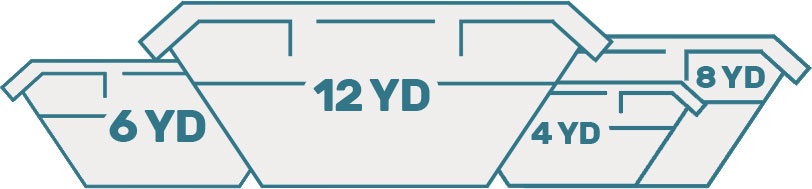 Purpose: This Health and Safety Policy sets out the approach taken by Commercial Waste Catford to protect the health, safety and welfare of employees, contractors and members of the public involved in our commercial rubbish collection and waste management operations. The policy applies across our service area and covers all activities from collection and transfer to temporary storage and handover to licensed disposal facilities. The aim is to prevent injury and ill health by proactively identifying and controlling risks.
Scope: This policy is relevant to all colleagues, temporary staff and authorised contractors working on behalf of the rubbish collection and commercial waste services. It includes routine collections, ad-hoc clearances, bulky waste removal, and any site-based waste handling duties. The policy emphasises safe working practices and legal compliance while remaining a practical document for day-to-day operations in a waste service area.
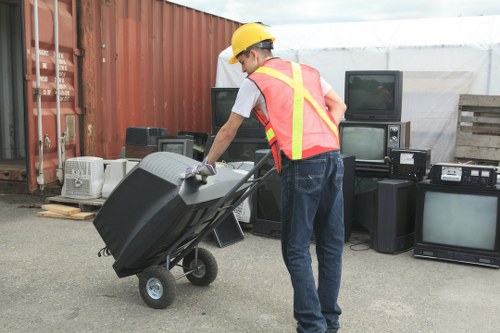 Responsibility and Accountability: Management holds overall responsibility for implementing this policy, ensuring suitable resources and competent supervision are in place. Line managers must ensure risk assessments, training and safe systems of work are maintained. Employees are required to follow instructions, use provided PPE and report hazards. Key responsibilities include:
- Carrying out and reviewing risk assessments for all routine and non-routine tasks;
- Providing and maintaining appropriate PPE, vehicles and equipment;
- Ensuring staff receive relevant training, including manual handling, vehicle safety and hazardous waste awareness;
- Reporting incidents, near misses and unsafe conditions promptly.
Risk Assessment and Operational Controls
All activities are subject to dynamic and recorded risk assessments that consider specific site conditions, waste types and customer environments. Assessments include manual handling tasks, interaction with members of the public, vehicle manoeuvres, and handling of potentially hazardous materials. Controls are implemented on a hierarchy basis: elimination, substitution, engineering controls, administrative controls and personal protective equipment.
 Personal Protective Equipment and Safe Equipment Use: Correct and well-maintained PPE is mandatory where risk assessments indicate its need. This includes high-visibility clothing, gloves suitable for waste handling, safety footwear and eye protection as necessary. Vehicle safety measures include daily walkaround checks, secure load practices for rubbish vehicles, safe reversing protocols and appropriate signage. Equipment such as compactors and lifting aids are operated only by trained personnel, following manufacturer's guidance and site-specific procedures.
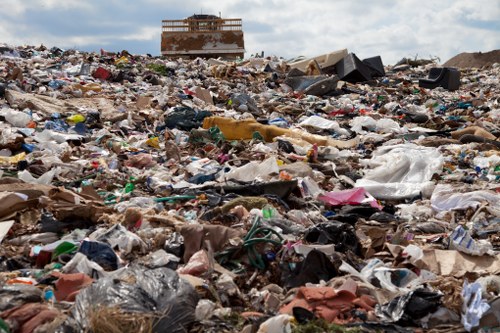
Waste segregation and containment are core to reducing exposure risks. Waste streams should be separated where practical to avoid chemical interactions, puncture or sharps risks and contamination. Chemical and hazardous waste are managed under controlled procedures with clear labelling and secure containment to reduce the chance of spills and exposures.
Training, Incident Management and Continuous Improvement
Training and competency are central to safe commercial rubbish services. Induction training covers company policies, emergency procedures and basic hazard awareness. Job-specific training includes manual handling techniques, vehicle operation, hazardous waste awareness and confined space precautions if relevant. Regular refresher courses, toolbox talks and recorded on-road observations ensure competence remains current.
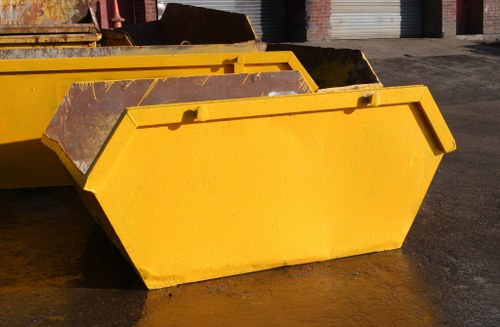 Incident Reporting and Investigation: All accidents, incidents and near misses must be reported immediately through the company reporting system. Investigations are undertaken proportionately to root causes, with lessons learned communicated to teams and incorporated into revised risk assessments and controls. Where appropriate, remedial actions are tracked to completion and reviewed for effectiveness.
 Contractors and Third Parties: External contractors engaged to support waste operations must demonstrate they operate to the same health and safety standards. Pre-qualification checks, work permits and monitored handovers ensure that subcontracted services, including specialist hazardous waste removals, are carried out safely. Contractor coordination prevents conflicting activities and reduces risks at shared sites.
Emergency Procedures and First Aid: Clear emergency arrangements are maintained for roadway incidents, spills, fire and medical emergencies. Staff must be aware of nearest first aiders, emergency contacts and spill kits. Regular drills or scenario-based briefings are used to keep responses effective. In the event of significant release or injury, steps are taken to secure the area, provide first aid and notify the appropriate authorities as required.
Monitoring and performance measurement include routine inspections, vehicle maintenance audits, incident trend analysis and safety performance reviews. These activities support continuous improvement and ensure the commercial waste management service remains safe, reliable and responsive to change.
This policy is supported by detailed procedures, risk assessments and records that provide operational detail for supervisors and staff. It is reviewed at regular intervals and updated whenever operational changes, new legislation or significant incidents occur. The organisation is committed to maintaining a safe working environment for all involved in waste collection and disposal services and expects full cooperation from employees and contractors. Signed on behalf of the management team — commitment to safety and responsible rubbish removal.
