Commercial waste collection for Catford shops on Rushey Green
Running a shop on Rushey Green means you rarely get a quiet day for long. One minute you are unpacking stock, the next you are dealing with cardboard towers, broken display bits, food packaging, back-room clutter, or a fridge that has finally given up after humming away for months. Commercial waste collection for Catford shops on Rushey Green is not just about getting rid of rubbish; it is about keeping your frontage tidy, your staff safer, and your business moving without that slow, nagging build-up of mess.
If you manage a convenience store, cafe, barber, charity shop, boutique, takeaway, salon, or small office above a shop unit, the waste picture can change fast. Delivery days are different from deep-clean days. Refurbishment creates a whole other layer of waste. And let's face it, nobody wants sacks stacked by the door at 8am while customers are already walking past. This guide breaks down how commercial waste collection works, what to expect, where the risks are, and how to choose a sensible approach for a busy Catford high-street location.
Table of Contents
- Why Commercial waste collection for Catford shops on Rushey Green Matters
- How Commercial waste collection for Catford shops on Rushey Green Works
- Key Benefits and Practical Advantages
- Who This Is For and When It Makes Sense
- Step-by-Step Guidance
- Expert Tips for Better Results
- Common Mistakes to Avoid
- Tools, Resources and Recommendations
- Law, Compliance, Standards, or Best Practice
- Options, Methods, or Comparison Table
- Case Study or Real-World Example
- Practical Checklist
- Conclusion
- Frequently Asked Questions
Why Commercial waste collection for Catford shops on Rushey Green Matters
For a shop on Rushey Green, waste has a way of becoming visible quickly. A couple of extra bin bags behind the counter might not sound like much, but by late afternoon they can spill into customer space, create odours, and make the place feel more tired than it really is. That matters in retail. Presentation is part of the product, even if you sell something completely practical like phone accessories or pet supplies.
Commercial waste collection matters because it protects the day-to-day running of the business. It keeps walkways clear, helps reduce slip and trip risks, and stops stock rooms from becoming accidental storage units for things nobody quite knows how to dispose of. In busy local areas, regular removal also avoids awkward interactions with neighbouring businesses. No one wants to be the shop that leaves a broken shelf propped by the kerb all weekend.
There is also a customer-facing angle. People notice clean entrances, tidy side paths, and bins that do not smell like yesterday's lunch. A neat waste setup signals that a business is organised. That sounds small, but in real life small things stack up. A clean shopfront can make a customer feel more confident before they even open the door.
Expert summary: If waste is affecting access, appearance, safety, or storage space, you are already past the point where "we'll sort it later" is cost-free. The sooner you build a proper collection routine, the easier everything else becomes.
For larger clearances, seasonal stock changes, or office-related spillover, it can also make sense to look at broader business waste removal or even related removal services such as general waste removal when the job is not just ordinary bin waste. Truth be told, many problems start when small items are left to become one big job.
How Commercial waste collection for Catford shops on Rushey Green Works
The practical process is usually straightforward, but the details matter. A commercial waste collection provider will normally assess the type of waste, the volume, how often it needs to be collected, and whether any items need special handling. After that, a collection plan is put in place. For a shop on a main stretch like Rushey Green, timing is important because access, parking, and loading space can be tight. You do not want to be caught trying to move heavy bags while delivery vans are squeezing past. That's just a headache waiting to happen.
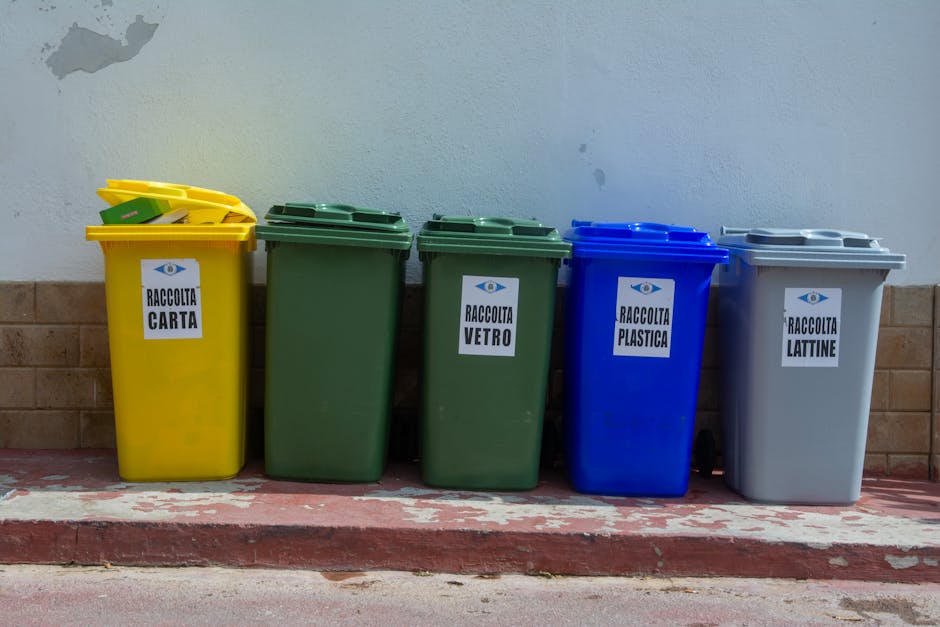
In most cases, waste is separated into the right streams before collection. Cardboard, mixed general waste, packaging, old shelving, damaged furniture, and electrical items may all need different handling. Some waste types can be taken away together if the service is set up for it, while others need their own route. For example, confidential papers, appliances, and any potentially hazardous materials should never be treated like ordinary rubbish. If your shop produces sensitive paperwork, a specialist option like confidential shredding can be a sensible add-on.
A good collection service should also be clear about what happens after pickup. Where possible, waste should be sorted for recycling or responsible disposal. Shops often generate a surprising amount of cardboard and packaging, and that is one of the easiest streams to keep under control with a bit of routine. If sustainability matters to your brand, it is worth asking how collections are managed and whether recyclable materials are separated rather than mixed with general rubbish. You can also look at the provider's approach to recycling and sustainability if you want that piece handled properly.
For one-off clearances, such as a refurbishment, stock room reset, or end-of-lease tidy, a scheduled bin collection may not be enough. That is where a faster clearance-style service can help, especially if you need bulky items removed in one go. If your shop has old chairs, shelving, counters, or display units, there may be overlap with furniture disposal or furniture clearance.
Key Benefits and Practical Advantages
People often think of waste collection as a pure compliance cost. Fair enough, it is a cost. But a decent setup pays back in practical ways that are easy to miss until they go wrong.
- Cleaner shopfronts: Less clutter at the entrance, fewer odours, and a more professional first impression.
- Better use of storage: Staff rooms and stock rooms stay available for actual business use.
- Lower stress for staff: People are not constantly improvising where to put bags, boxes, or broken items.
- Safer working areas: Clear floors and corridors reduce avoidable accidents.
- Smoother peak periods: Busy trading days are easier when collections are built around your rhythm.
- Better recycling outcomes: Clear separation often means more material can be recovered responsibly.
There is also a reputational angle. Customers usually do not complain about good waste management because they barely notice it. But they absolutely notice the absence of it. The smell of old packaging near the door, a greasy bin area, or stacks of broken stock in the corner can quietly undermine trust. A little grim, but true.
For businesses handling stock rotations, displays, or seasonal fit-outs, a collection plan also helps avoid a last-minute scramble. That is especially useful when a shop is changing windows, refreshing furniture, or making space for new lines. If your waste includes larger bulky items, the service may need to be combined with something more targeted, such as builders waste clearance after light refurbishment or office clearance if there is back-office furniture or equipment to remove.
Who This Is For and When It Makes Sense
This kind of collection is relevant to more businesses than people initially think. It is not only for supermarkets or big retailers. In fact, the smaller the premises, the more painful waste problems can become because there is simply less space to hide them. A tiny back room fills up fast, doesn't it?
Commercial waste collection makes sense for:
- Convenience shops and off-licences
- Cafes, takeaways, and sandwich shops
- Hair and beauty salons
- Boutiques and charity shops
- Newsagents and mobile accessory stores
- Independent pharmacies
- Small offices above or behind retail units
- Property managers overseeing mixed-use units
It becomes especially important when your waste is irregular. Maybe you only get a big cardboard surge after deliveries. Maybe you have a weekly stock reset. Maybe your waste spikes at holiday periods. Maybe you are replacing fixtures and fittings. That's the point where an ad hoc arrangement starts to feel clunky.
If your business has appliances to remove, such as under-counter fridges or chillers, you will want a provider that can deal with specialist items too. A service like fridge and appliance removal is useful where standard collections are not appropriate. Likewise, if old shop furniture, a sofa in a staff area, or waiting-room seating is due out, the right disposal route matters. The item might look harmless, but moving it properly is another matter entirely.
Step-by-Step Guidance
If you are setting this up for the first time, here is a sensible way to approach it without overcomplicating things.
- List your waste types. Write down what you throw away in a normal week: cardboard, mixed waste, food waste, packaging film, broken display items, old stock, and any electricals or confidential paper.
- Separate what can be recycled. Even a basic split between cardboard and general waste can make the site easier to manage.
- Measure the volume. You do not need an exact science project. Just note whether the waste is a few bags, a trolley load, or a pile that only clears when you have a proper collection.
- Check access at the premises. Think about loading space, hours, delivery access, and whether collections need to avoid the busiest customer window.
- Identify problem items. Bulky furniture, appliances, sharp objects, and anything potentially hazardous should be flagged early.
- Choose the collection rhythm. Decide whether you need one-off removal, weekly collections, or a mixed arrangement.
- Prepare the waste properly. Bag, bundle, flatten, and separate items where possible. A bit of prep saves time and usually reduces hassle.
- Review after the first pickup. If bags are too heavy, if collections are too frequent, or if the timing is awkward, adjust the plan rather than letting it drift.
That last point is underrated. Waste systems are not "set and forget". They work best when they are reviewed after a week or two. A shop changes. Stock levels change. Staff habits change. The waste stream changes too.
If you are trying to understand what can go with mixed waste and what should be set aside, the guide on what can go in a skip can help as a practical reference point, even if you are not booking a skip specifically. It is a useful way to sanity-check what belongs where.
Expert Tips for Better Results
Here are the tips that make the biggest difference in real working shops, especially on a busy road where time and space are limited.
1. Put waste out as late as possible, but not too late. Sounds obvious. Still, people put it out too early and clutter the front. If you have a safe internal holding area, use it well.
2. Train staff on the simple stuff. Cardboard flattened, sharps not mixed with soft waste, food waste sealed, boxes broken down. The basics do most of the work.
3. Watch for hidden bulky waste. A shop clearance often includes more than expected: broken chairs, old shelving, worn mats, failed appliances, and packaging that has quietly accumulated for months.
4. Plan around delivery patterns. If you get deliveries on Monday and Thursday, collections should not fight with those windows. It sounds minor, until a van cannot reach the kerb and everyone starts doing that awkward half-shuffle.
5. Keep a "do not mix" list near the bins. It helps staff. It helps temp workers. It helps anyone who is in a rush, which is basically everyone in retail.
6. Build in a monthly reset. Even five minutes with a notebook can reveal whether you are over-ordering collections or underestimating waste volume.
A small humorous truth: rubbish is one of those things that becomes more interesting the moment you ignore it. Not in a good way either.
Common Mistakes to Avoid
Most waste problems do not come from dramatic failures. They come from ordinary little habits that quietly stack up.
- Mixing everything together: This makes recycling harder and can increase handling problems.
- Leaving bulky items until the last minute: Then you are stuck with a counter, chair, or appliance blocking space you need.
- Using the wrong service for the job: General collections are not always enough for appliances, sharps, or clearance work.
- Ignoring access issues: If a collection van cannot reach the load point, the whole process slows down.
- Overfilling bags: Heavy bags are awkward, unsafe, and not friendly to staff backs.
- Not checking what needs separate handling: Electricals, confidential documents, and anything hazardous need more care.
One of the sneakiest mistakes is assuming that "it will only be this busy for a week." Then a month passes, the stock room is still half full of packaging, and the system has become the new normal. Human nature, really.
Tools, Resources and Recommendations
You do not need a complicated setup to manage waste well. A few practical tools make a noticeable difference.
- Labelled bins or sacks: Keep cardboard, general waste, and special waste visibly separate.
- Heavy-duty trolleys: Useful for moving waste safely from the back room without endless lifting.
- Simple waste log: A notebook or spreadsheet showing collection dates, problem items, and volume trends.
- Cutters and box breakdown tools: Handy for flattening cardboard quickly and safely.
- Storage space with clear access: Even a small designated corner helps if it is kept tidy.
For shops that occasionally clear out furniture, the related pages on mattress and sofa disposal and furniture disposal can be useful if staff rooms, waiting areas, or upper-floor spaces need a one-off reset. And if your premises include a back office or admin area with paper-heavy workflows, remember that document handling should be treated differently from ordinary waste. That is where confidential shredding earns its keep.
If you are comparing suppliers or preparing a request, it also helps to look at the provider's general service information, pricing approach, and trust pages. The pages on pricing and quotes, payment and security, and insurance and safety can tell you a lot about how a business is run before you even pick up the phone.
Law, Compliance, Standards, or Best Practice
Waste handling for businesses in the UK is not something to wing. You do not need to become a compliance expert overnight, but you do need to follow sensible practice and understand your responsibilities. At a basic level, businesses should make sure waste is stored safely, passed to a legitimate carrier, and handled in a way that avoids nuisance, pollution, or unnecessary risk.
In practical terms, that means keeping waste contained, not allowing it to obstruct shared access, and being careful with anything that may be classed as hazardous or difficult to handle. For shop owners, the most important habits are usually the simple ones: segregate waste where possible, do not mix general rubbish with specialist items, and keep records of who is collecting your waste and when. If there is any doubt around a particular item, ask before it is put out. Better a quick question now than a messy issue later.
Areas like food service, salons, and small retail units can also have items that deserve extra caution, such as cleaning chemicals, aerosols, broken glass, or appliances. In those cases, the service should be asked how those items are dealt with. That is especially true where a shop is replacing back-room appliances or disposing of electrical units. A careful approach is the right one, full stop.
For businesses that want a stronger internal policy, it is useful to align day-to-day waste practices with the provider's published health and safety policy and its wider sustainability approach. If you deal with staff data or customer records, remember that paper disposal is a separate issue from general waste, and confidential destruction should be handled accordingly.
Options, Methods, or Comparison Table
Not every shop needs the same waste setup. Here is a plain-English comparison of the most common options.
| Option | Best for | Strengths | Watch-outs |
|---|---|---|---|
| Regular commercial collections | Ongoing general waste and recycling | Predictable, tidy, easy to manage | Less suitable for bulky one-off items |
| One-off waste removal | Clear-outs, refurbishments, stock resets | Fast and flexible for larger jobs | Not ideal for steady weekly waste |
| Specialist item removal | Appliances, confidential paper, bulky furniture | Safer handling for problem items | Needs correct categorisation |
| Mixed approach | Shops with varied waste streams | Practical and adaptable | Needs better staff awareness |
In a shop setting, a mixed approach is often the sweet spot. The weekly waste keeps the place running, while a separate clearance service handles the odd bigger job. That way you are not forcing one system to do everything badly. And that happens a lot, to be fair.
Case Study or Real-World Example
Imagine a small independent shop on Rushey Green with a back room, a customer-facing till area, and a tiny storage corner shared with delivery stock. Over time, the shop has accumulated flattened-but-not-quite-flat cardboard, a broken shelf, a dead under-counter fridge, and a few bags of mixed waste that never quite made it out on collection day. Nothing dramatic. Just normal business life.
At first, the clutter feels manageable. Then a delivery arrives and there is nowhere to put the new stock. Staff begin moving boxes from one corner to another. The floor becomes awkward to clean. A customer asks for help and the assistant has to navigate around a trolley and two bulging bags. It is not chaos, but it is close enough to be draining.
The shop then moves to a clearer system: cardboard is flattened daily, general waste is sealed and stored in one place, and bulky items are flagged immediately rather than "kept for later." A one-off removal clears the fridge and shelf. After that, the owner sets a regular collection rhythm that fits the trading week. The result is not glamorous. But it is calmer, safer, and much easier to run. Sometimes that is the real win.
This kind of reset is common in small local retail spaces. The fix is rarely dramatic; it is usually just getting the waste routine back under control before it starts eating into space, time, and patience.
Practical Checklist
Use this checklist before arranging or reviewing commercial waste collection for your shop.
- List every waste type your shop produces in a normal week.
- Separate general waste, cardboard, recyclables, and special items.
- Check whether you have any appliances, furniture, or confidential paper to remove.
- Review access points, delivery times, and kerbside space on Rushey Green.
- Make sure staff know what goes where.
- Keep heavy or sharp items safely contained.
- Decide whether you need regular collections, one-off removal, or both.
- Confirm the provider can handle the full mix of waste you produce.
- Ask about recycling and responsible disposal routes.
- Reassess the setup after the first few collections.
That is the kind of checklist that saves you from future irritation. Not glamorous, but very effective.
Conclusion
Commercial waste collection for Catford shops on Rushey Green is about much more than taking rubbish away. It supports customer experience, keeps staff working safely, protects your premises from clutter, and helps your business stay organised through busy trading periods. Whether you are dealing with daily packaging, seasonal stock, or a one-off clearance, the right setup gives you breathing room. And in a busy shop, breathing room matters.
The smartest approach is usually simple: know your waste streams, keep things separated, build collections around your trading pattern, and do not leave bulky items to become tomorrow's problem. If you get that part right, the whole shop feels lighter. Cleaner, too.
If you are comparing options or getting ready to sort your back room, take a minute to review the most relevant service pages and choose the mix that fits your premises rather than forcing a one-size-fits-all fix. A little planning now saves a surprising amount of faff later, and your staff will feel it immediately.
Get a free quote today and see how much you can save.
Frequently Asked Questions
What does commercial waste collection include for a shop?
It usually covers general waste, packaging, cardboard, and other business-related rubbish from day-to-day operations. Depending on the provider, it may also cover bulky items, appliances, or specialist waste on request.
How often should a Catford shop arrange waste collection?
That depends on footfall, stock volume, and the kind of business you run. A busy takeaway may need a different schedule from a small boutique. The best setup is the one that keeps waste from building up in the first place.
Is commercial waste collection different from domestic rubbish collection?
Yes. Business waste is handled separately because it comes from commercial activity and often includes different materials, volumes, and compliance expectations. It should not just be mixed with household waste.
Can a shop on Rushey Green use one service for everything?
Sometimes, yes, but not always. Daily waste, bulky clearances, appliances, and confidential materials often need different handling. A mixed approach is usually more realistic.
What should I do with old shop furniture?
Old counters, chairs, shelving, and display units should be removed through a suitable clearance route. For many shops, furniture clearance is the simplest option for bulky items.
How do I deal with confidential paperwork?
It should be kept separate from ordinary waste and sent for secure destruction. A service like confidential shredding is the safer and more sensible route for records, forms, and sensitive documents.
Can commercial waste collection help with recycling?
Yes, if waste is separated properly. Cardboard and some packaging streams can often be managed more efficiently when staff are trained to sort them at source.
What if my shop has a broken fridge or appliance?
That should be handled as a specialist item rather than left beside the bins. Appliance removal is usually better than trying to squeeze it into a standard waste setup.
Do I need to prepare waste before collection?
Yes, where possible. Flatten cardboard, seal bags, separate problem items, and keep access clear. A small amount of prep makes collections faster and safer.
What are the most common waste mistakes shops make?
The biggest ones are mixing all waste together, delaying bulky item removal, overfilling bags, and not planning around deliveries or customer access. None of it is complicated, but it does add up quickly.
How do I choose between regular collections and one-off removal?
If your waste builds up every week, regular collections usually make more sense. If you are clearing stock, refurbishing, or replacing fixtures, one-off removal may be the better fit.
Where can I find more information before booking?
It is sensible to look at pricing, service details, safety, and sustainability information first. The useful pages on this site include pricing and quotes, insurance and safety, and recycling and sustainability, which can help you compare the options calmly.